
Hey Rose! Your No-Judgement Guide to Making Sense of Pink Wine
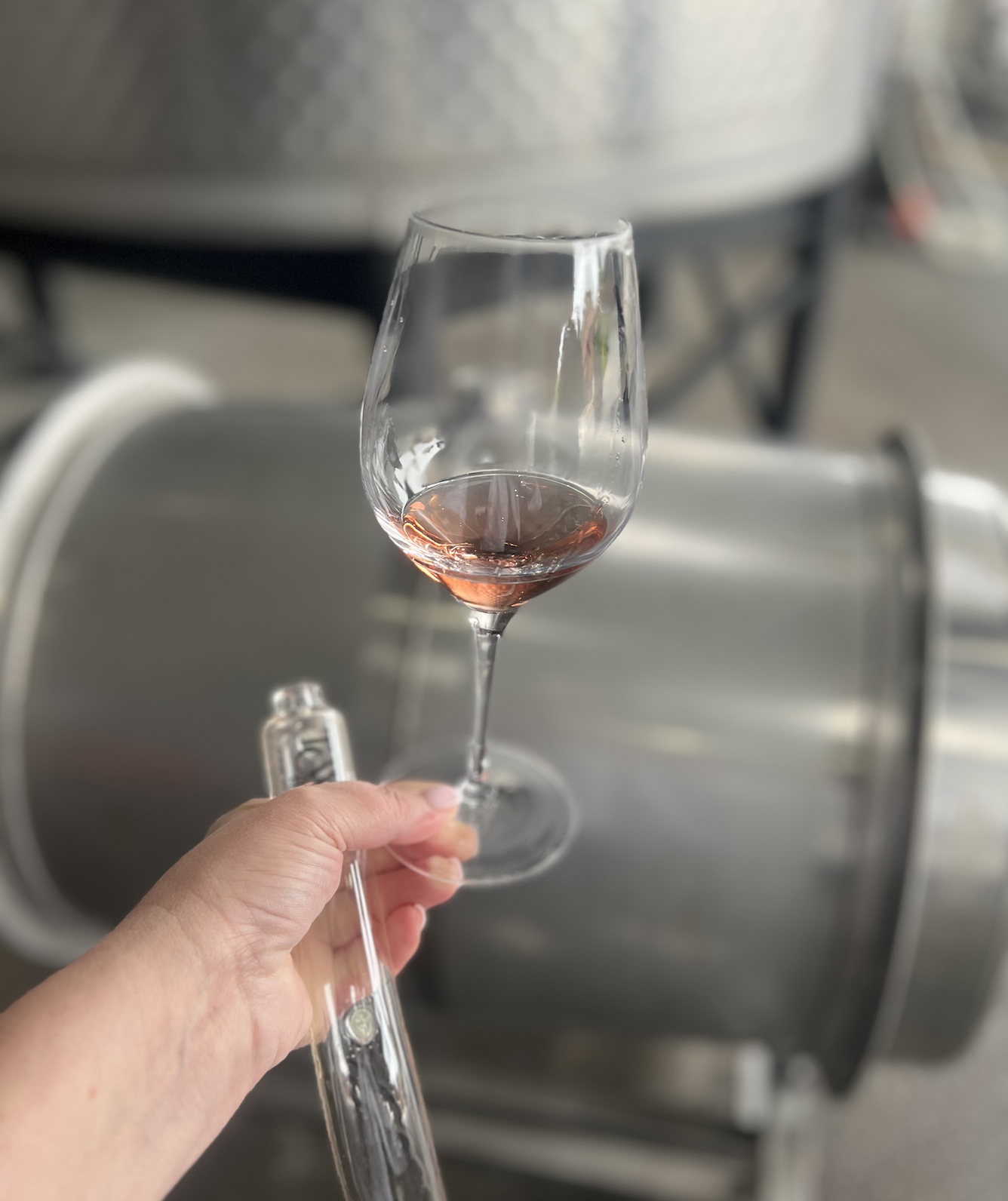
Check out our Most Watched IG reel of our Sollevato Rosé Bottling Day! Be sure to follow Sollevato While your there!
🍾 Join our Inner Circle: My wines, Sollevato Wines now has a wine club — Il Circolo — and the 2023 Sangiovese is out now. Learn more and become a member here.
Rosé Is Having a Serious Moment — and That's a Good Thing
Rosé has come a long way from its porch-pounder days. According to recent trends, premium and serious rosés are the fastest-growing segment of the category — sommeliers are treating them like reds, pairing them with grilled meats and rich dishes, and a whole new term has entered the wine world: "gastro rosé." Nikki opens this episode fresh off an exciting week at Sollevato Wines, where she and Michael bottled not one but two new wines — including their very first rosé, a Grenache with a kiss of Sangiovese, set to release in May 2026.
First Things First: Rosé Is Not Sweet (Well, Most of It Isn't)
One of the biggest myths about rosé is that it's automatically sweet. While White Zinfandel started that reputation, the vast majority of rosés you'll find on shelves today are completely dry or have just a whisper of residual sugar. The flavor spectrum is wide — from bright cherry and watermelon to earthy, spicy, and mineral-driven expressions. Don't let the pink fool you.
So Where Does Rosé Actually Come From?
Here's the key fact: rosé is made from red wine grapes — the same ones you already know, like Cabernet Sauvignon, Syrah, Grenache, Pinot Noir, and Sangiovese. The difference is in the process. When making red wine, the grape skins stay in contact with the juice throughout fermentation (two to three weeks), extracting all that deep color and tannin. To make rosé, winemakers either pull those skins away after just a few hours to a couple of days — that's called "intentional" rosé — or they use a method called saignée (French for "bleeding"), where some juice is bled off from a red wine in progress to create rosé simultaneously. The shorter the skin contact, the lighter and more delicate the color and flavor.
Why Color and Flavor Don't Always Match Up
You might think a pale, salmon-colored rosé will always be lighter in flavor — and often it is, but wine loves to surprise you. A pale rosé made from Zinfandel and Petite Sirah (like one of Nikki's favorites from Tres Sabores in St. Helena) can pack a real flavor punch. Meanwhile, a deeply ruby-colored rosé might be more elegant than its hue suggests. The type of grape, the region it's grown in, and the skin contact time all interact in unpredictable ways — which is exactly what makes rosé so fun to explore.
Rosé Around the World: Regions and Styles to Know
Provence, France is the gold standard — look for Grenache-based bottles that tend to be pale, bone dry, and surprisingly robust in flavor despite their delicate appearance. In Italy, it's called Rosato: look for expressions made from Sangiovese, Nebbiolo, or the increasingly celebrated Nerello Mascalese from Sicily. Spain calls it Rosado. California — especially Napa and Sonoma — tends to produce bolder, riper rosés with more concentrated fruit, reflective of the warmer growing conditions. Cooler climate regions like Provence, Austria, and Germany generally yield higher acidity, which translates to that crisp, bright, refreshing quality so many people love.
How to Pick the Right Rosé for Your Palate
Nikki's best tip? Download the Vivino app (free, no affiliation). When you scan a label in the wine shop, look at the "Taste Characteristics" section — it shows sliding scales from light to bold, dry to sweet, and soft to acidic. If you want crisp and dry like listener Morgan does, you're looking for sliders toward "dry" and toward "acidic." Most rosés are also lower in alcohol (11–13% ABV), which makes them ideal for leisurely afternoon sipping without sneaking up on you the way a 14–15% pour might. And since most bottles fall well under $25, rosé is one of the most affordable wine categories to experiment with.
Nikki'sFavorite Rosé Picks
Gérard Bertrand's Provence rosé (France) — a blend of Grenache, Syrah, and Cinsault — lands around $20, sits on the drier side with bright acidity, and comes in around 13% ABV. It's a reliable, crowd-pleasing bottle.
For something a little more unique, aRosato di Nerello Mascalese from Sicily was highlighted as a 92-point Wine Enthusiast pick at just $24.
Ingrid& Julia rosé from Tres Sabores in Rutherford, CA — a certified organic grower of Zinfandel and Petite Sirah blended — it's a local gem that defies expectations with its pale color and concentrated flavor.
Coming Soon from Sollevato Wines: Nikki and Michael's own rosé — a single-barrel roséGrenache with a touch of Sangiovese, will be released by late May 2026, with first access going to Il Circolo, the Sollevato wine club. Their 2023 Petite Sirah (bold, inky, and great for BBQ season) is also coming this fall. Sign up for the mailing list at sollevatowines.com to be the first to know. Use code PODLISTENER for 10% off.